

Building Worlds: The quiet work behind creating a meaningful brand identity
creative director series : no. 1

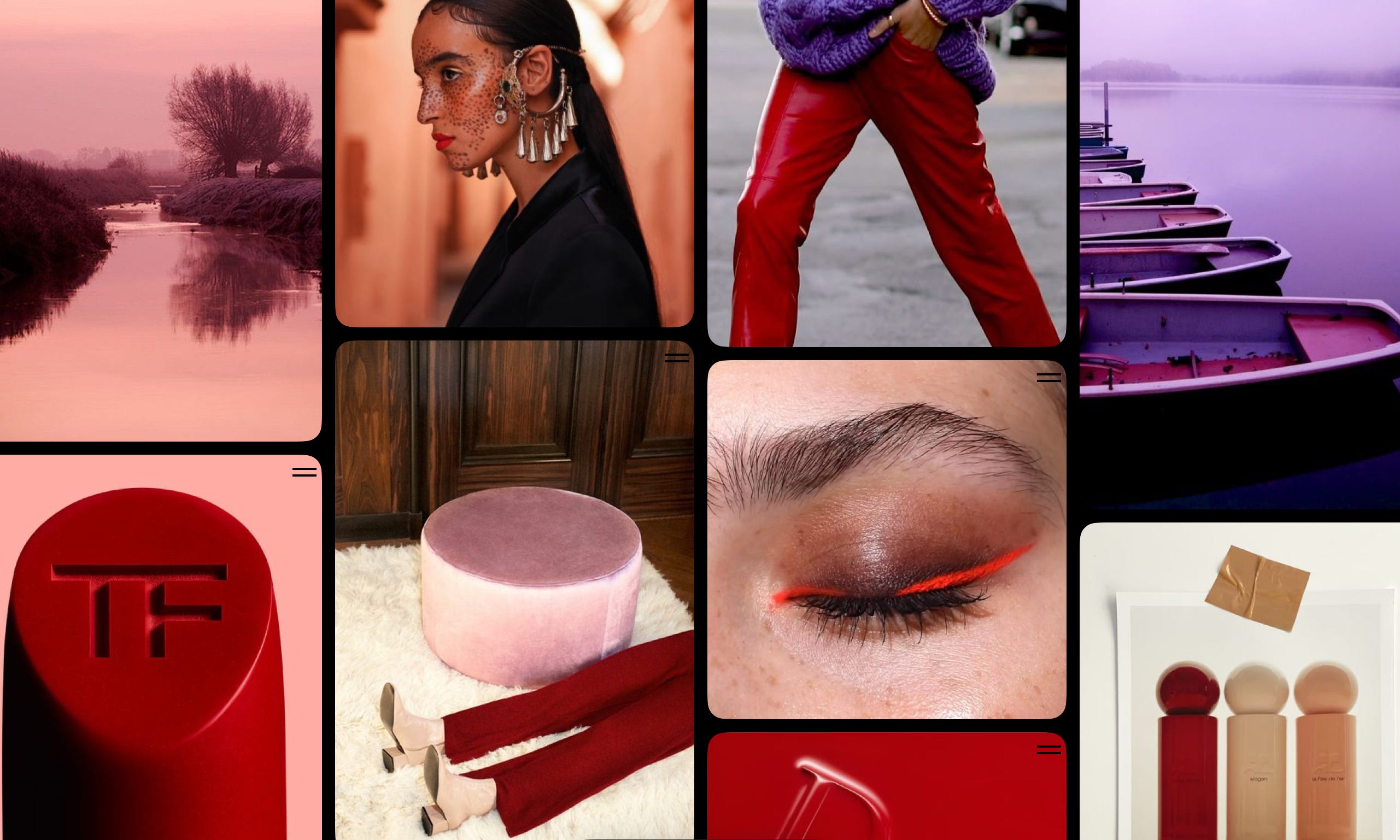
Lately, I’ve been thinking about how much unseen work goes into world-building—how beauty, identity, and storytelling come together to shape how a brand feels. I’m often asked about my creative process, how ideas move from inspiration to reality, and how aesthetics translate into emotion and ethos.
I want to open up my creative process a bit—talk about how I move between research and intuition, strategy and storytelling. To connect the design decisions to deeper layers of culture, memory, and intention.
Basically, to make creativity feel a little more human—aspirational, yes, but still accessible.
I’ve been revisiting some of my early Dehiya work—
the first iterations of the brand—and noticing how much my creative process has evolved. In the beginning, it was all instinct and aesthetics, intuition guiding everything. Over time, it’s become more intentional: rooted in culture, storytelling, and emotional connection.
But it’s also about listening—to the market, to trends, to what customers are actually saying. Understanding the customer journey has become one of the most powerful parts of the process. Empathy is everything. Great brand storytelling isn’t just about how something looks—it’s about how it feels to the people experiencing it. It’s paying attention to their rituals, their rhythms, their needs, and weaving all of that into how the brand shows up.


When I started Dehiya — formerly CHAE (2017–2019) — the first thing I obsessed over was the name and colors. That felt like the most exciting place to begin. (We all remember rose gold and Millenial pink, right?!) When most people think about building a brand, they think of a logo, a font, a palette—that outer layer of identity. But creating a compelling brand narrative? That’s a completely different process. It requires paying attention to insight and behavior—and that’s next-level work. It’s what the best brand worlds are made of.
It took several iterations—and a lot of listening—to understand who my customer really was. I paid close attention to the data I gathered and the behavioral patterns that emerged from it—their preferences, their pain points, and the small cues hidden in how they engaged with the brand. Through social listening, email interactions, surveys, and qualitative feedback, I began to see the through-line between what people said and what they actually responded to. Over time, those insights helped me translate my story into something tangible—an experience that built emotional connection and trust.
Because every brand—every creative process, really—starts messy.
There was a time when being anonymous as a founder felt cool, mysterious even—but that’s not what it is anymore. Now, people want to buy from people. They want to understand the vision behind the brand, to know why you created it and what it stands for.


Understanding the customer journey has become one of the most powerful parts of the process. The creative work means nothing if it doesn’t connect. Empathy is everything. Great brand storytelling isn’t just about how something looks—it’s about how it feels to the people experiencing it. It’s paying attention to their rituals, their rhythms, their pain points, and weaving all of that into how the brand shows up.
I shared a few images from those early days—my first iteration of the brand, when I was still finding its visual and cultural language. The colors, the textures, the mood… all of it part of the journey toward what Dehiya has become.
This is where the series begins: in reflection, with curiosity for what’s next. Because every brand—every creative process, really—starts messy. There’s no shortcut to finding your DNA; you only get there by starting, experimenting, refining.